
Natural Building
The term "natural building" refers to a range of construction methods that use locally sourced or minimally processed materials: straw, earth, bamboo, and sustainably harvested wood.

Many natural building techniques are inspired by vernacular architecture from around the world--artisanal techniques that are used to create unique structures, which demonstrate the evidence of human touch. The re-examination of these traditional techniques in the context of building science and engineering has delivered a way of building that fits with today's ecologically mindful lifestyle, complies with codes, and withstands the test of time. Natural buildings are healthier for the people who live in them and healthier for the planet.

straw bale
Straw bale church; Willits, CA. The Natural Builders led the bale raising of the new 2000 sqft church.

While straw has many uses, in industrial agriculture it is generally considered a waste product. Straw is the stem of cereal crops, which is left over after the harvest and often tilled under, or in the case of much rice-straw in California, burned.

Straw bales have been used to build houses since the invention of the baler in the late 1800’s. Some houses of that era are still standing today. Straw bales have a very high R-Value (estimated values of straw bales range from 1.5 to 2 per inch), which means, in terms of insulation, houses with straw walls insulate much better than conventional houses.

adobe

Farm House; Poudindaeng, Lao. The house Kevin Rowell of The Natural Builders designed, built and lived in.
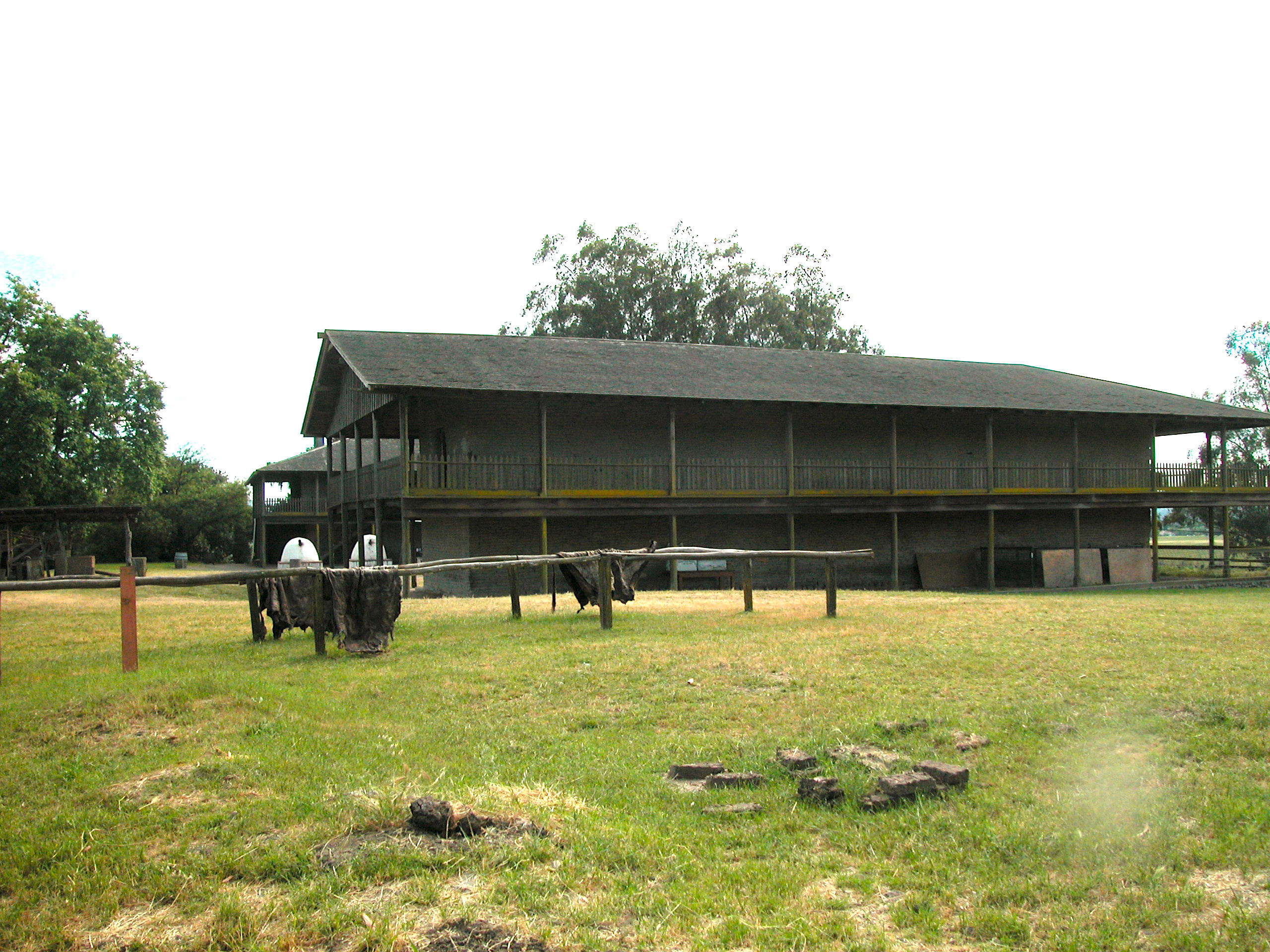
People have been making clay bricks, or adobes, for millennia. That is, they have been combining clay soil, sand, and straw with water and pressing the mix into forms to make bricks. The simplicity of the production and assembly of adobe structures has made adobe a popular building system world-wide.

There is reason to be concerned about the use of adobe in seismic zones. However a few guidelines result in quake-safe buildings. Even in California, seismic zone 4, there are adobe buildings from the 1800's that are still standing. Aid organizations around the world have been working to improve the durability and resilience of adobe building.

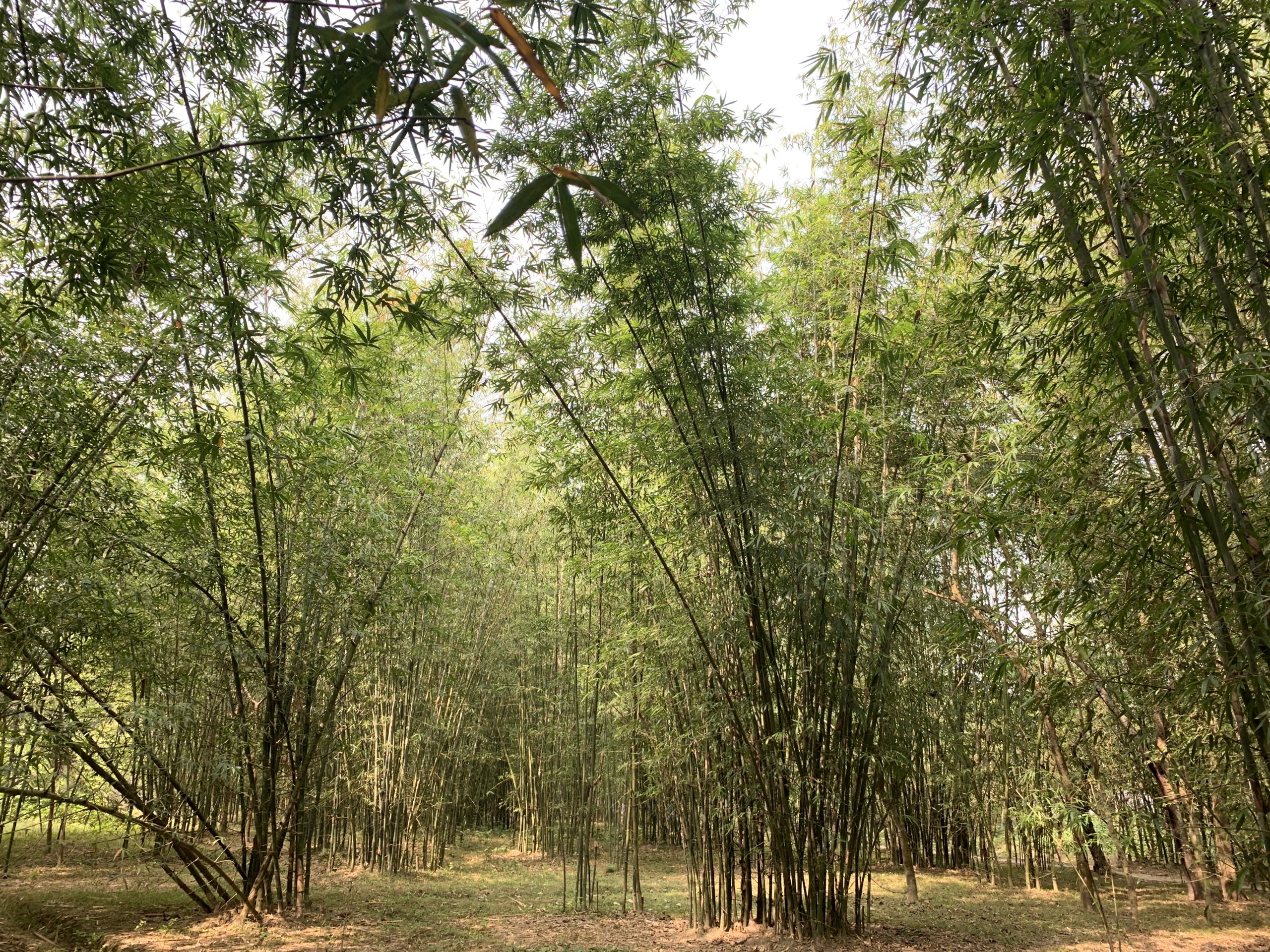
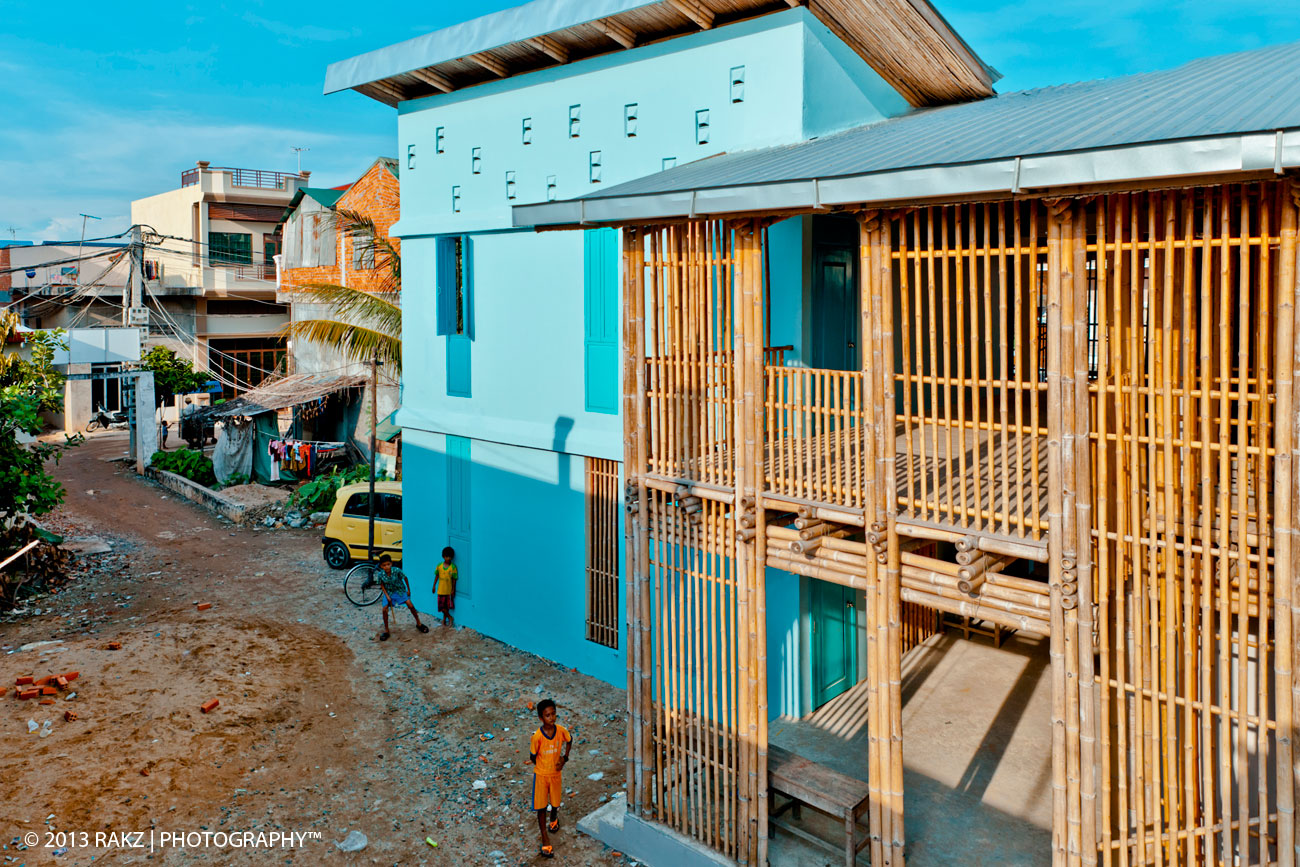
bamboo

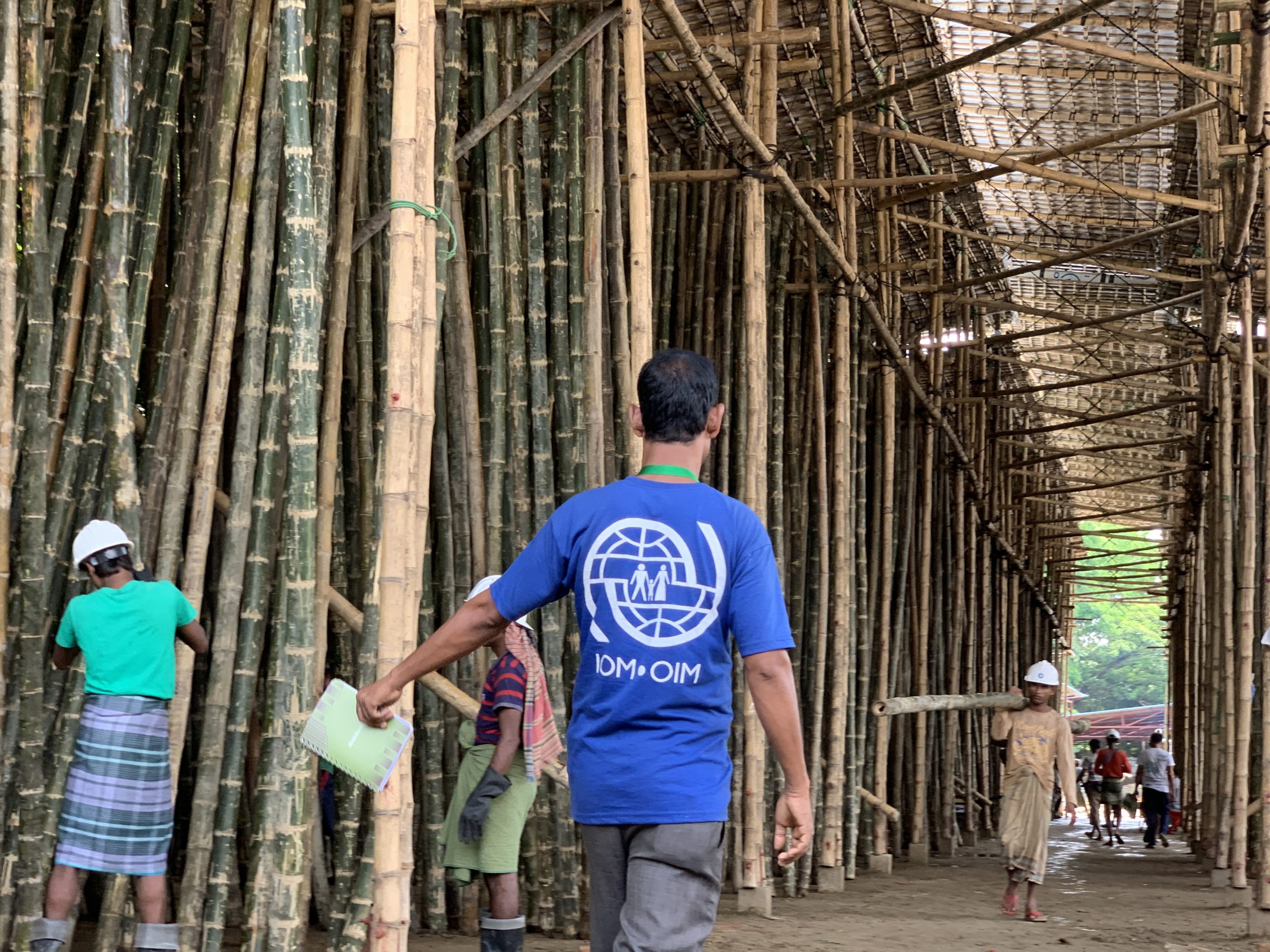
Coto House; San Jose, Costa Rica. Under the direction of master bamboo builder Martin Coto, The Natural Builders helped built the bamboo framing on this house and developed the clay infill system.

plaster & paint

Earth Plaster & Paint
Earth plaster and paint are made from clay that can often be dug up on site or nearby and mixed with natural mineral pigments to create a beautiful finish. Earth plaster can be used in an interior or exterior application, while earth paint is generally used for interiors only.

Lime Plaster
Natural hydraulic lime plaster (NHL). Exterior pigmented lime plaster over a straw bale home; Sonoma, CA

Lime plaster (lime putty mixed with sand and sometimes a natural fiber) is an ancient plaster popular for its durability and its natural ability to deter fungus and bacteria.

We produce our own lime plaster as well as apply products from several distributors including Natural Hydraulic Lime, a fast setting plaster appropriate for exterior and interior use.

Lime Wash
Above left: white wash being applied over cement stucco. Right: Pigmented lime wash on a straw bale house; Berkeley, CA.

Lime wash is a traditional paint that has been used for thousands of years. As with lime plaster, lime wash is made from limestone, which is found all over the world. Often called "white wash" because of its natural bright white color, lime wash can be used to create a multitude of different colors when mixed with earth pigments. Lime wash is best suited for exterior use and works especially well over cement stucco and lime plasters.

earth floors

Earth floors can absorb heat during the day and radiate it out at night, providing a surface that is cool to walk on during the day and warm at night. Earth floors are reminiscent of concrete floors in that they are poured and troweled on, but unlike cement floors they have a slight flexibility, which is easy on your feet. Our own earth floor was described in "Down and Dirty" by David Gelles, published February 8, 2007 in The New York Times.

The floor — which, in addition to the basic ingredient, included lime and sand, two classic components of concrete — would take a few weeks to dry, a period when the couple would camp out in their living room. But once sealed with a mixture of linseed oil and beeswax, it would theoretically be firm and water-repellent. Fans of such floors say that soapy water will clean them without turning them to mud, and that another coat of oil can renew the shine.

cob

Cob is the combination of soil containing clay, sand, straw and water formed by hand into walls. Cob lends itself to creating sculptural forms. The base ingredient, clay soil is often available on site. The earthen mix provides excellent thermal mass, this allows the building to self regulate the temperature, absorbing heat during the day and releasing it at nigh.

Building with cob can be time consuming, however the use of machinery (like tractors) or hosting work parties can speed up the process.